
Membership Groups
The Union's scientific sections and working groups offer members an opportunity to work with others who share the same interests and collaborate on research, publications and projects. They propose sessions and contribute to the planning of the Union World Conference on Lung Health, and influence the future of lung heath through the governance of The Union.
The Union is divided into seven regions to provide a platform for addressing lung health and related issues from a regional perspective, allowing members to network with colleagues who face the same challenges and contribute to The Union's deep understanding of local issues.
Working Groups
The Union's working groups offer members an opportunity to affiliate with others who share the same interests and collaborate on research, publications and projects.
If you are interested in these issues, become a member of The Union, and then you are welcome to join whichever working groups you like.
Members may also propose and manage their own working groups.
ADULT AND CHILD LUNG HEALTH
The Post Tuberculosis Lung Disorders Working Group conducts research, investigates strategies and raises awareness amongst healthcare workers and policy makers on post TB lung health.
Goal: To serve as a community of practice for investigators, program managers, and advocacy groups who are working to improve TB prevention, detection, and treatment for women and children by integrating TB and TB/HIV services in maternal and child health settings
Objective: To share information about promising practices and experiences with country implementation; disseminate informational, educational, and communications resources; advocate for increased attention to the needs of women and their children with TB and TB/HIV; and close critical research and practice gaps in this field
Current Activities:
- Continued advocacy around inclusion of Maternal TB notifications in the Global TB Report
- Advocacy including raising awareness about maternal/infant TB among TB and non-TB-focused fora and conferences
- Advocating for maternal/infant variables in the drug-resistant TB individual patient database
- Continue working on Cochrane Review TB Symptom Screen in Pregnancy
- Hosted a meeting to develop a TB and Pregnancy Guide
Recent Maternal and Child Tuberculosis achievements:
Inclusion of Maternal TB Notifications in the Global TB Report. We sent a detailed motivation to the WHO GTB. Their response was generally favorable, but WHO GTB concerns about workload for individual countries and the lack of electronic based systems in many high-burden countries.
We surveyed 5 countries with case-based electronic systems for their ability and desire to collect data around maternal TB. Four of five countries (Brazil, Lesotho, South Africa and Zimbabwe) responded to the survey. All four countries agree with the importance of collecting these data. However, in 3 of 4 countries, current systems would not allow easy collection and reporting of these data at this time, though they did indicate a desire to update their systems.
STAG: We continued to advocate for a maternal TB representative appointed to the Strategic and Technical Advisory Group for Tuberculosis (STAG-TB).
Research
Continued Work on a Pregnancy Registry: The US FDA attempted to establish a CURE Drug Repurposing Collaboratory (CDRC) to make a “Pregnancy Treatment Repository” publicly available. Due to insurmountable logistical challenges, this is no longer being pursued. The DR-TB individual patient dataset (IPD) is now being hosted at and curated by UCL, in collaboration with WHO GTB. We are exploring opportunities to add pregnancy and infant variables as well as how to link maternal and infant data. Initial discussions were favourable.
Advocacy
- Raising awareness among TB and non-TB-focused conferences
- Pregnancy, HIV, and Tuberculosis: Current Practices and Research Opportunities
- US National TB Controller Conference: Tuberculosis in Pregnancy
- TB and Pregnancy Guide: A group was established and partners were chosen. We aim to develop a collaboration of researchers, clinicians, patients and advocates to develop a Tuberculosis in Pregnancy Field Guide. This field guide will share evidence and best practices for preventing, diagnosing and treating DS and DR-TB among pregnant and postpartum women and their infants with a focus on low-resource settings. Advocated for a Maternal & Neonatal TB Representative in the core team of the child and adolescent TB working group (hosted by the Stop TB Partnership).
This working group focuses on chronic respiratory problems, across the life course with the goal of advocating for challenge-focused research that is inclusive, equitable and strengthens links between researchers, communities and policymakers.
Completed activities/ contributions/publications:
· GOLD International COLD Conference, United Kingdom & Africa Satellite Program
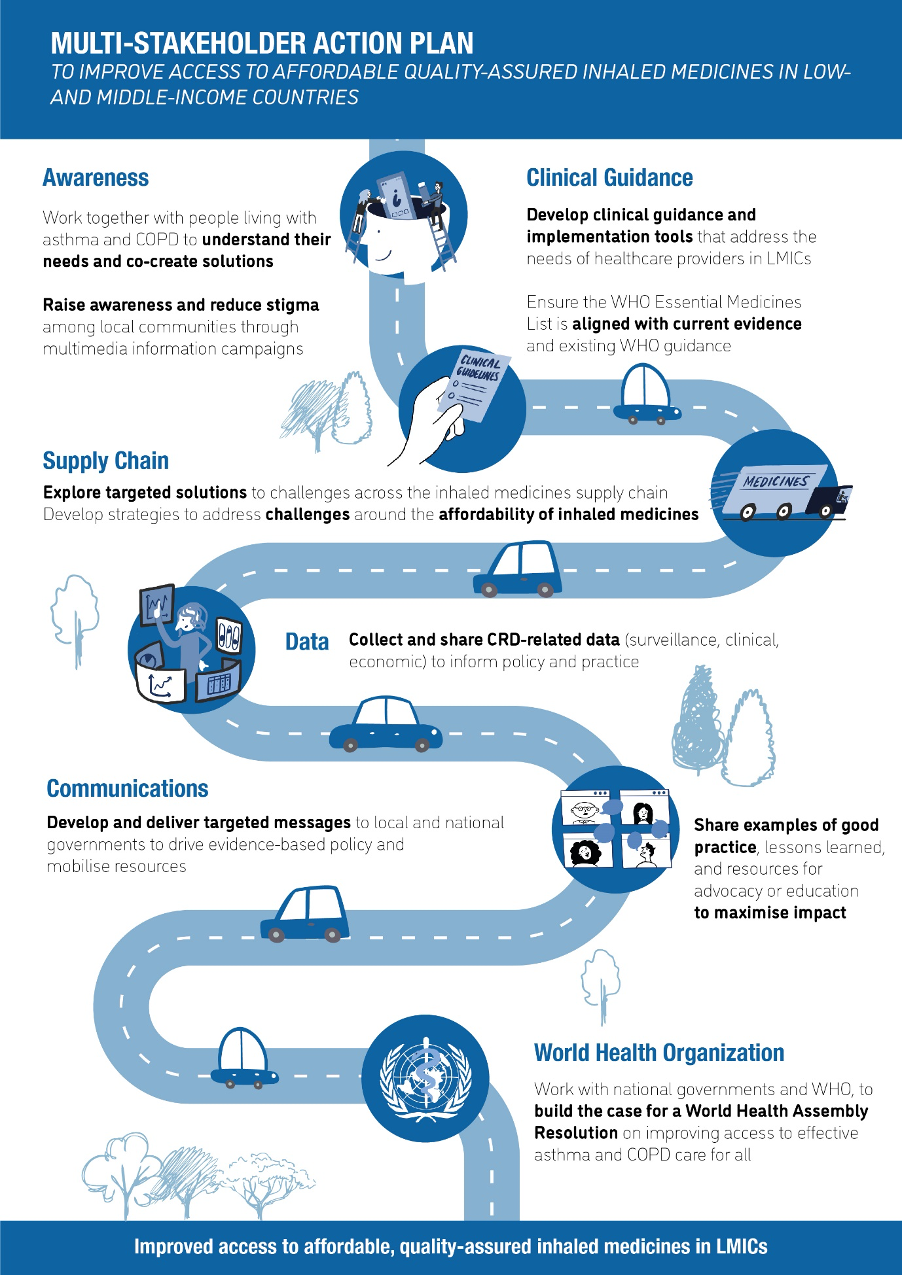
· Multi-action virtual stakeholder meeting: Action Plan Formulation, The Union hosted.
Improving access to affordable quality-assured inhaled medicines in low- and middle- income countries. https://papers.ssrn.com/sol3/papers.cfm?abstract_id=4107776
· Patients with presumed tuberculosis in sub-Saharan Africa that are not diagnosed with tuberculosis: a systematic review and meta-analysis.
Future activities:
· Qualitative study: Barriers and facilitators to implementation and uptake of inhaled medicines for the treatment of chronic respiratory symptoms in The Gambia. Data collection in progress. Formulation of future patient and public engagement group.
· Coordination of IJTLD ‘Clinical Standards on asthma management in Low/Middle Income Countries’ Delphi process.
· Patients with presumed tuberculosis not diagnosed as tuberculosis: a global systematic review and meta-analysis. PROSPERO CRD42022301016. In progress
· Systematic review - Prevalence of bronchiectasis in Africa In progress
· Kenyan Medical Research Institute – Non communicable disease in Kenya: Burden, early life determinants and interdisciplinary participatory solutions. Data analysis ongoing
· Burden of Obstructive Lung Disease (BOLD) in Nairobi and its neighbouring counties. In progress
Overall Goal:
To improve child health globally by advocating for - and contributing to - clinical research, implementation science, and providing an evidence base for policy-making that addresses the challenge of co-occurring TB and severe acute malnutrition (SAM) in children.
Group Objectives:
Improve awareness in the global child health community of the strong association between TB and SAM, and the need for focused intervention and development of models of care for these two conditions.
Promote, and advocate for, research to improve the understanding of key areas for management of TB and SAM: epidemiology; screening, diagnosis, and prevention of each condition in the face of the other; and optimized treatment of TB for children with SAM.
Promote evidence-based policy-making that addresses the burden of co-occurring TB and SAM in children.
Working Group goal:
To develop and promote a strategic policy agenda on quality improvement package for the diagnosis, treatment and management of asthma
Background:
With a mandate to bridge the gap between the scientific disciplines related to tuberculosis (TB) and lung health; the Union adapted the TB model for the management of Asthma, and worked with partners to implement comprehensive lung health project funded by the World Bank.
The idea of The Union’s Comprehensive Approach to Lung Health, was the adaptation of the TB model and apply the DOTS principles for the management of patients with chronic airflow limitations”. Pilot projects in Benin, China, El Salvador and Sudan generated valuable lessons on implementing standard case management for asthma and reducing the cost of medicines as a barrier to asthma treatment in resource limited settings.
It is a comprehensive package where The Union designed ADF and provided countries with procurement and quality assurance services, as well as technical support related to selecting, quantifying, managing and using essential asthma medicines. These services were accompanied by The Union’s technical guidance about how to establish asthma programmes in the general health services and generate data for quality improvement and policy advocacy. The technical guidance included tools (The Union’s asthma guidelines to diagnose and treat asthma with a combination of inhaled bronchodilators and corticosteroids, training materials and information system) and assistance with programme evaluation’ quarterly reports.
Objectives:
The objectives of the working group are to:
1.Sustain a platform of discourse and exchange of experiences and propositions among members regarding the management of Asthma.
2.Conduct an online survey on “Asthma Management Situation” for countries interested in The Union Model and write a report/publish the survey results.
3.Assemble and deliver special sessions on Asthma management at the Union World Conference on Lung Health in 2024/27.
4.Review the Asthma training Materials and The Union Asthma Guideline.
5.Develop a course for young Union consultants on Asthma management related to the Union Model.
6.Conduct a multi-country pilot/ revive the existing in-country experiences
7.Fund raising: explore the feasibility of using the member states call for integrating the prevention and control of non-communicable diseases in HIV/AIDS, tuberculosis, and sexual and reproductive health programmes.
TOBACCO CONTROL
The MPOWER Research Group on Tobacco Control was formed in the year 2017 with a goal to scale-up global tobacco control research for feeding into policies at regional/country level. The group was set up with the felt need of systematically mapping, identifying and prioritizing research (in terms of national priority) needed to implement the WHO Framework Convention on Tobacco Control and MPOWER in LMICs. The group is working on identifying key gaps and challenges in research focusing upon emergence of newer tobacco and nicotine products; tobacco industry interference; smokeless tobacco products; tobacco free generation; undertaking inter-disciplinary, multi-country research; integration of tobacco control with various programs and policies; and write position papers to address the attention of policy makers for marching towards a tobacco free future.
Recent MPOWER achievements:
The working group has generated 7 case studies on industry interference in different domains of tobacco control policy implementation in India.(viewable HERE)
Second, working group has published a position paper in the Indian Journal of Tuberculosis on ‘Fuelling the tuberculosis epidemic: The role of tobacco control in ending the TB emergency’.
A Special issue on Tobacco Control was published in Indian Journal of Tuberculosis (IJT) in 2021 that had a collection of manuscripts covering wide range of topics pertaining to tobacco control. (viewable HERE)
A supplement issue covering the proceedings & scientific abstracts from the National Conference on Tobacco or Health, held in 2021 in India was published in the Indian Journal of Cancer
Pilot projects on tobacco cessation are being implemented in community settings and hospital settings to strengthen the ‘O’ component of MPOWER.
TUBERCULOSIS
The TB and Migration working group focuses on tuberculosis among migrants, including epidemiology and risk factors in countries of origin, during transit and after arrival in countries of destination, and during their potential return. The group supports this emerging and under researched field through webinars, symposia, conferences and scientific papers and has a role in informing policy within The Union.
Work includes webinars, symposia, and advocacy - including influencing policy (e.g. drafting statements etc).
Recent TB and Migration achievements:
- A significant presence in Union conferences, including another symposium this year on TB and forced migration
- A TB and Migration website
The TB Infection Control working group is focused on the monitoring and evaluation of tuberculosis infection controls in health facilities and health systems.
The Global Indigenous Stop TB Initiative (GISI) Working Group of The Union has operated for over 15 years as a networking space for researchers, care practitioners, and advocates, to network and share our activities globally. To achieve our objective of increasing Indigenous Peoples’ involvement in and control over TB policy and programming, we began learning from the International Indigenous HIV & AIDS Community (IIHAC; https://iihac.org/). IIHAC is an Indigenous-owned organization incubated through Communities Alliances and Networks (CAAN; https://caan.ca/). In the last 4 years, GISI has been working with Trevor Stratton, a leader in CAAN and IIHAC, to learn about IIHAC’s history, development, and work and how they might inform GISI’s work in TB among Indigenous Peoples globally.
Achievements
To this end, an informal understanding started developing between CAAN and GISI, with a Venn diagram drawn to delineate areas of respective responsibility. Rather than attempt to make a formal Memorandum of Understanding (MoU) between the organizations, an Indigenous version on an MoU was proposed by Trevor Stratton, whereby the Chair of GISI, Dr. C. Andrew Basham, was invited to attend the 9th International Indigenous Pre-Conference on HIV & AIDS on July 26-28th, held in Montreal, Canada, preceding AIDS 2022 (the International AIDS Society’s main conference), July 29th-August 2nd 2022, also in Montreal.
On July 29th, 2022, a blanket ceremony was held between CAAN and GISI to develop an understanding of each other and create a relationship. This ceremony followed Indigenous protocols for gift-giving and story sharing to form an understanding of each other. In this ceremony, members of GISI and CAAN spoke about their backgrounds, their work, and their hopes for the relationship being formed. Dr. Basham was presented with a buffalo blanket and medicine bundle, after offering tobacco to CAAN Knowledge Keepers, along with two Harvard University mugs (representing something from his world). After receiving the blanket, Andrew made a short speech about finding and sharing the truth together to improve TB prevention, diagnosis, and care with Indigenous Peoples. This ceremony was concluded with a traditional song after a teaching by Dr. Albert McCleod, Elder-in-Residence at CAAN, who has been an HIV/AIDS activist since 1987.
CAAN held a webinar on March 31, 2022 about the lived experiences of Indigenous Peoples affected by TB in Canada that was moderated by Trevor Stratton and is available here and includes some discussion of the developing relationship between CAAN and GISI as well: https://www.youtube.com/watch?v=UWSyeHhu4yg
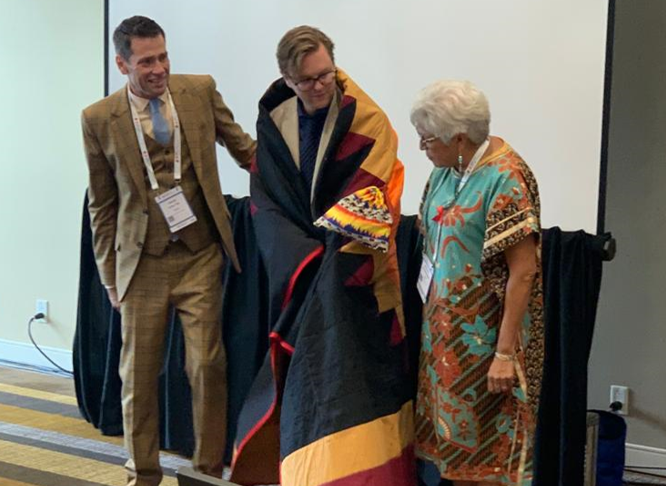 Buffalo Blanket Ceremony: Communities, Alliances, and Networks (CAAN) with Global Indigenous Stop TB Initiative
(L-R: Trevor Stratton, C. Andrew Basham, Margaret Kisikaw-Piyesis. Photo by Stephen John)
The goal of the TB and Mental Health working group is to establish a community of practitioners and researchers to advance attention to mental illnesses and substance abuse in the context of tuberculosis care and control. Mental illnesses, such as depression and PTSD, and substance use disorders, such as alcohol and opioid dependence, are strongly associated with tuberculosis; populations affected by mental health disorders are typically vulnerable and at higher risk for tuberculosis infection, and individuals with tuberculosis often suffer from these disorders, complicating and undermining care and resulting in poor treatment outcomes. Nevertheless, formal attention to mental health is lacking in most tuberculosis control programs.
The Drug Resistant Tuberculosis working group goal is to gather and share information to help accelerate scale-up of evidence-based DR-TB policy and practice.
The working group surveys members at regular intervals to get a good picture of how MDR-TB treatment rollout is progressing in the various regions. In addition, the group has recently been focusing on the availability of susceptibility testing for the new and repurposed second-ling drugs. In addition, the group in collaboration with RESIST-TB, provides webinars and a newsletter focusing on new developments and publications on DR-TB.
Recent Drug-Resistant TB group achievements:
An article describing the results of our most recent survey “Global availability of susceptibility testing for second-line anti-tuberculosis agents” is in press in the IJTLD. Plans to link with rGLC through webinars, compilation of Key PMDTs related materials and dissemination
The TB and Ethics working group aims to encourage broader engagement with ethical issues in tuberculosis research and practice. The group promotes reflective and practical consideration of ethical issues within the TB community, particularly through Union conferences, development of educational case studies and other materials and peer-reviewed publication.
Over the past decade, social protection has evolved from a peripheral consideration in tuberculosis (TB) prevention and care to a central pillar of global TB elimination efforts. The 2015 WHO End TB Strategy recognized that ending TB requires action beyond biomedical interventions alone, including efforts to address the social and economic conditions that drive vulnerability, undernutrition, impede access to care, and contribute to poor treatment outcomes. This vision was reaffirmed in the 2023 United Nations High-Level Meeting Political Declaration on Tuberculosis, which committed to universal access to a health and social benefits package for all people with TB by 2027. At the same time, a growing body of implementation research, randomized trials, and operational experience has demonstrated the value of interventions ranging from cash transfers and nutritional support to transportation assistance, employment protections, and integrated social services on reducing TB incidence, improving treatment success and reducing catastrophic costs. Together, these policy commitments and scientific advances have established social protection as an essential component of equitable, person-centered TB prevention and care.
Despite this progress, implementation has not kept pace. Countries continue to face practical questions about how to integrate social protection into TB programmes, engage sectors beyond health, advocate for investment, measure impact, and adapt successful models across diverse political, economic, and health system contexts. Although global guidance is increasingly available, opportunities to exchange implementation experience, develop practical open-access resources, and learn systematically across countries remain limited.
The challenge facing the field is therefore no longer whether social protection matters, but how to operationalize it effectively and sustainably. Addressing this challenge requires stronger collaboration across disciplines, greater capacity for communication, advocacy and investment planning, and mechanisms for sharing implementation experience across countries. TB provides a compelling starting point because the evidence base, policy commitments, and implementation experience are more mature than in most other areas of respiratory health, offering an opportunity to establish models that can ultimately inform broader lung health initiatives.
The International Union Against Tuberculosis and Lung Disease is uniquely positioned to lead this next phase. Building on its long history of translating evidence into practice, the proposed Working Group on Social Protection for TB and Lung Health will provide a practical, member-driven platform for implementation, operational learning, and interdisciplinary collaboration. Rather than duplicating the normative role of WHO or the advocacy role of other global partners, the Working Group will convene researchers, programme leaders, policymakers, and affected communities to strengthen implementation, develop practical resources, and refine an annual research and implementation agenda that translates evidence into action for TB while creating a foundation for future applications across lung health.
This working group was formed to set up a community of practice in tuberculosis multimorbidity, aiming to develop and promote a strategic research, awareness, advocacy and policy agenda and initiatives on physical and mental multimorbidity in tuberculosis care.
TB-Multimorbidity (TBMM) Working Group was formed to set up a community of practice in tuberculosis-multimorbidity aiming to develop and promote strategic research, awareness, advocacy and policy agenda and initiatives on physical and mental multimorbidity in Tuberculosis care. TB-MM Working Group will assemble researchers, practitioners and professionals to collaboratively focus on the advancement of implementation and operational research and practice, pertinent to addressing multimorbidity in tuberculosis. People diagnosed/cured with tuberculosis and comorbid conditions and their caretakers, being the most significant stakeholders, will also be included in the community of practice.
The objectives of this working group are:
1. To create and sustain a platform to pursue improvement in prevention, recognition and management of multimorbid physical and mental conditions in TB, through discourse and exchange of ideas, experiences and proposals, promotion of awareness and dissemination of the best practices and evidence.
2. To support and enhance the scope of collaborative research in TB multimorbidity through the formulation of an international research team and development of demonstration research project proposal/s for intervention/s for timely recognition and management of coexistent Non-Communicable Diseases in TB services and identification of pertinent funding sources.
3. To enhance the research capacity of early and middle career researchers in the area of TB multimorbidity to support them as potential research leaders, and to contribute to the operational research training initiative of the Union.
The key members of the group are Professor Kamran Siddiqi (University of York, UK), Dr Lloyd Friedman (Yale University School of Medicine USA) and Dr Alexander Jarde (Cochrane, France) in addition to many esteemed UNION members of this group.
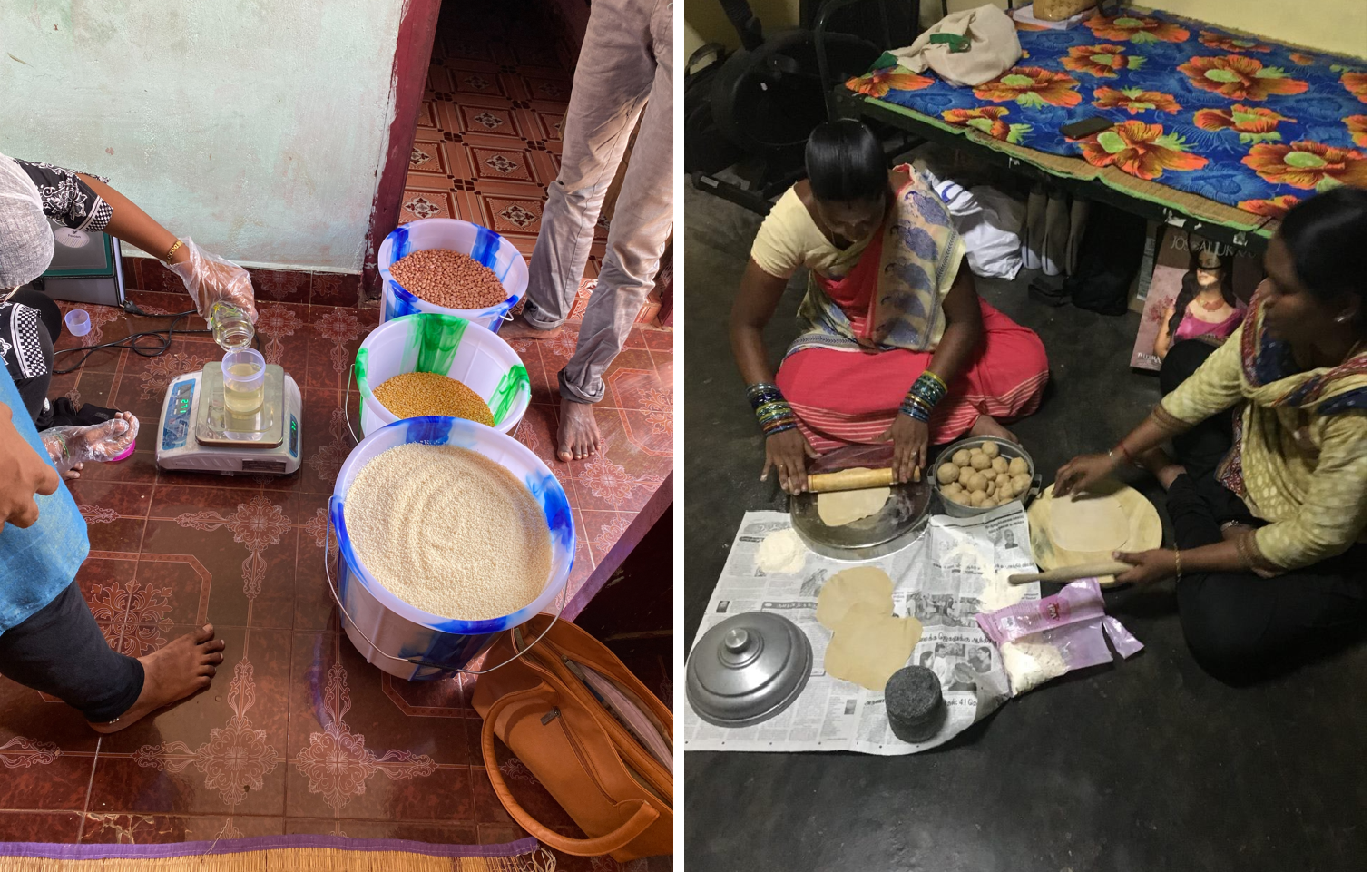
The TB Undernutrition working group was established to highlight the importance of undernutrition as a risk factor for TB disease by engaging key stakeholders, providing critical analysis of bottlenecks to addressing this modifiable risk factor, and by helping identify innovative, strategic, and tailored responses to the delivery and scale-up of collaborative TB/undernutrition activities.
According to the Global Tuberculosis report 2021, Undernutrition is the leading risk factor for TB with a population attributable fraction of 19% which is higher than human-immunodeficiency virus (7.6%) and diabetes (3.1%). Being undernourished is associated with unfavorable treatment outcomes and mortality. Lastly, undernutrition is comorbid with other key TB risk factors including HIV and alcohol use and has implications for sustainable development goal 2 (zero hunger) and is, as such, a cross-cutting issue.
To propel action on nutrition in the context of TB, the working group plans to do the following:
- Highlight importance of nutrition in the TB pandemic
- Identify knowledge gaps, research priorities, and advocacy tools
- Develop content on undernutrition-TB for the Union’s website
- Engage stakeholders
- Organize two annual webinars
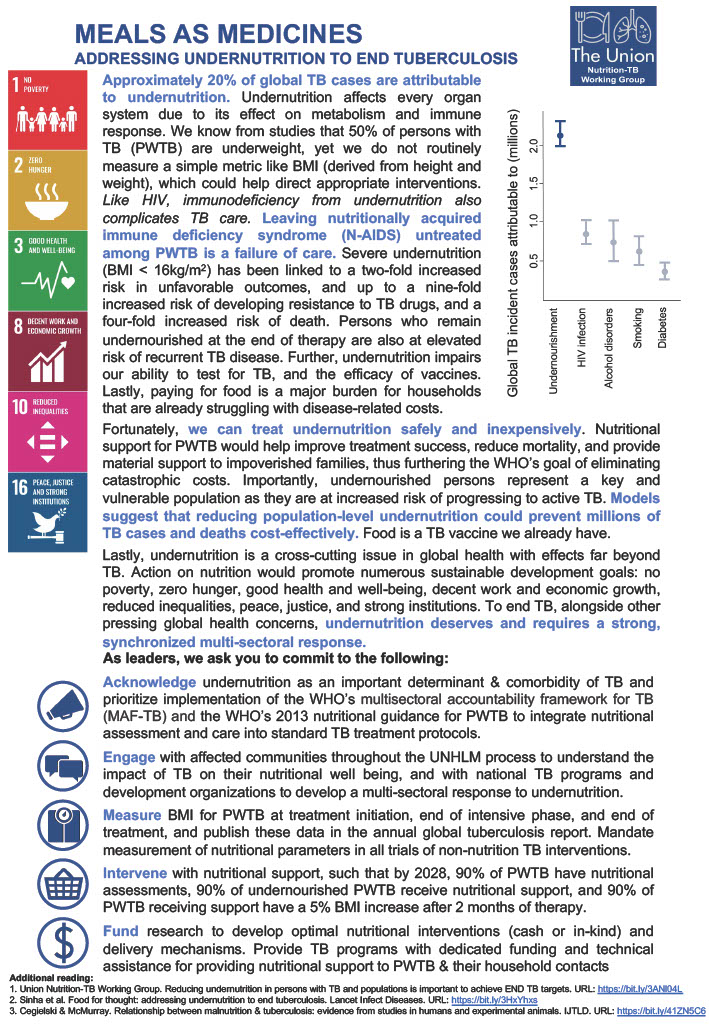
(Click to enlarge the above report)
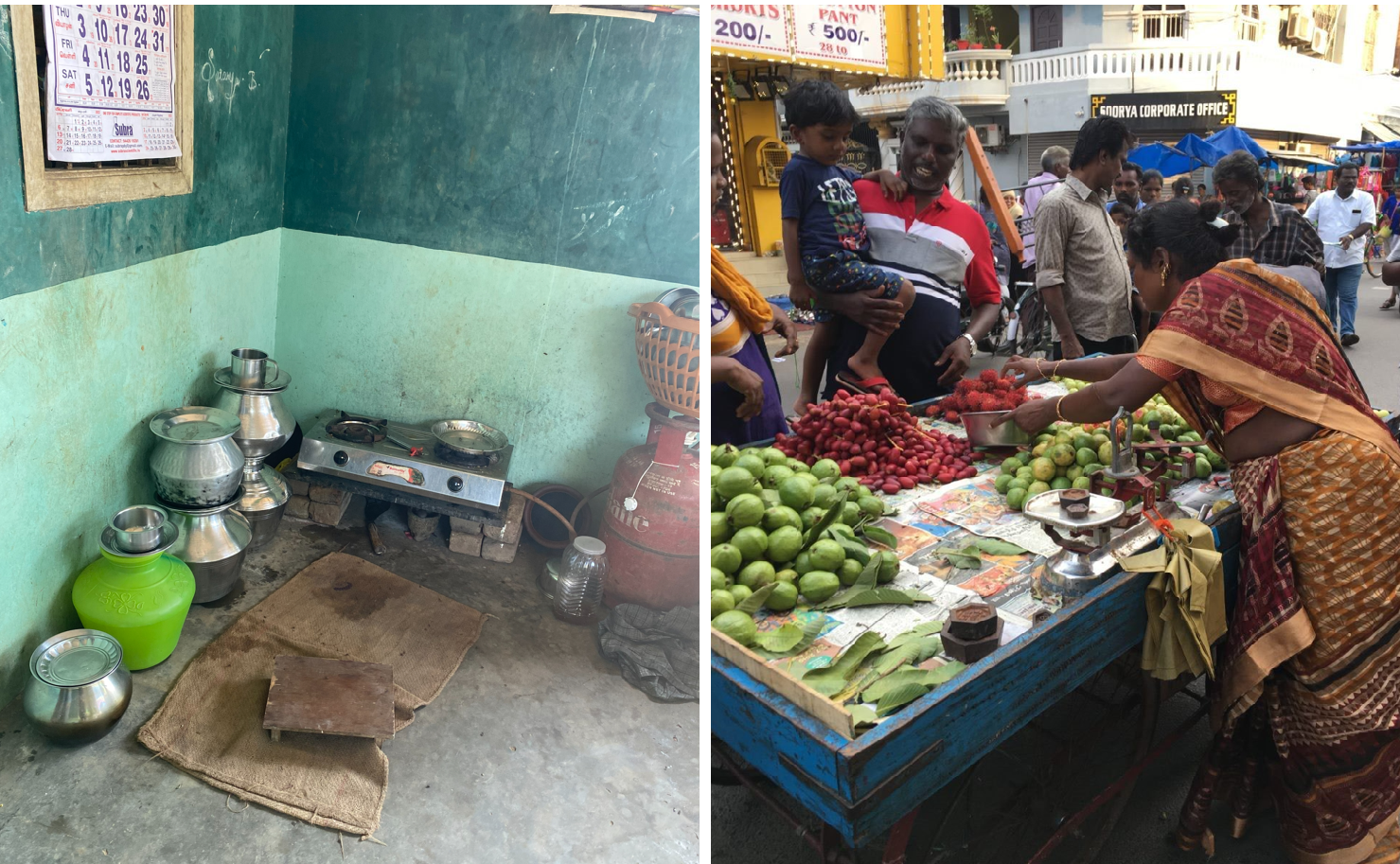
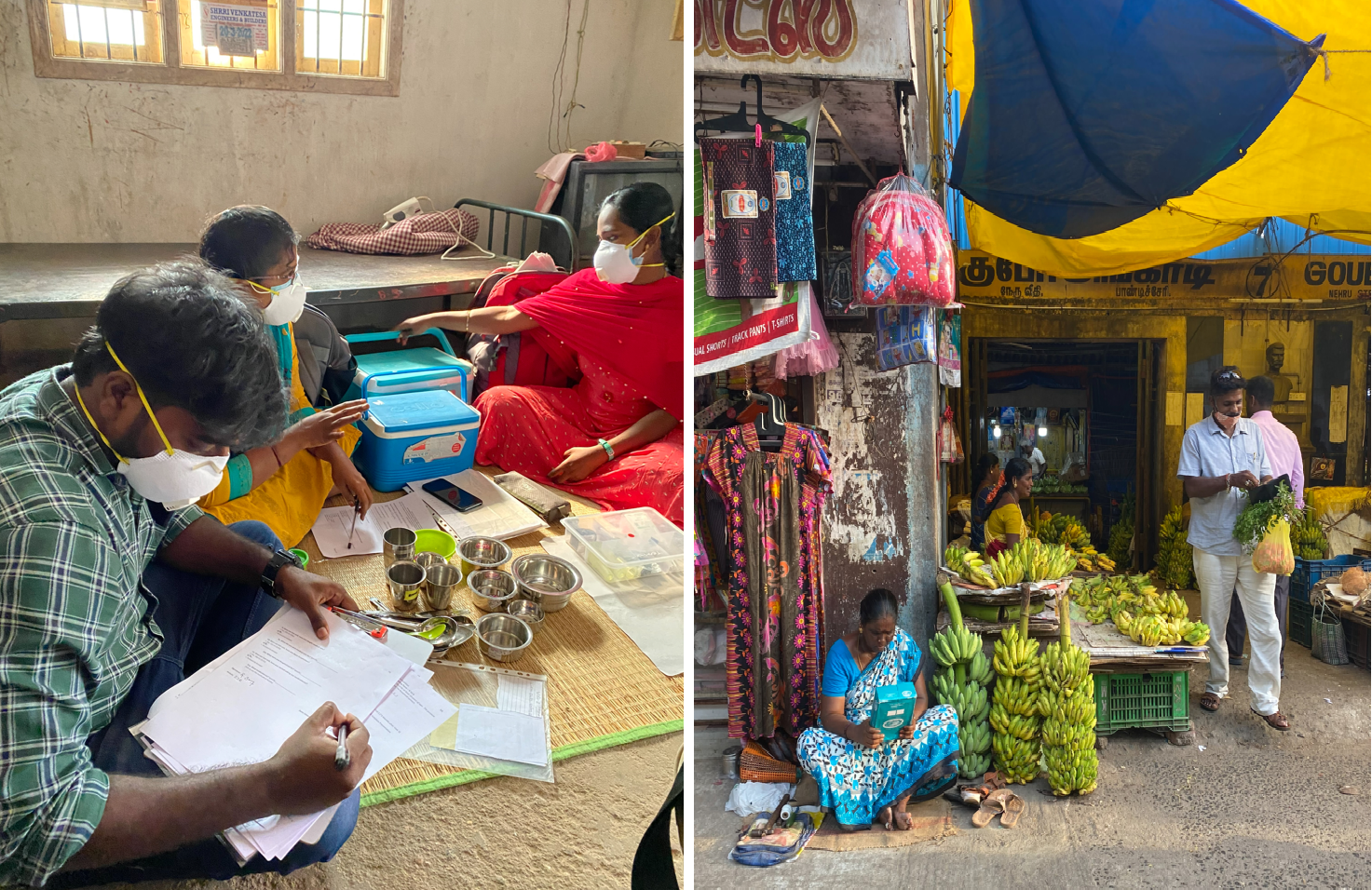
Globally, people deprived of liberty (PDL) have extremely high rates of tuberculosis, often more than 10 times greater than the general population.1,2 Overcrowding, poor ventilation, limited access to healthcare resources, substance abuse and undernutrition are all risk factors that disproportionately affect PDL.3–6 At the same time, this population remains frequently neglected by Ministries of Health and Justice and in global TB prevention and care strategies. There is a critical need to increase attention and resources towards addressing the crisis of tuberculosis among PDL.7
The TB in Prisons Working Group seeks to engage practitioners, researchers, policy makers and advocates in raising awareness about tuberculosis among PDL and identifying and sharing best practices and guidance to improve care and prevention of TB in prisons. The Working Group will engage Union members in structured interactions to share experience and expertise on tuberculosis in prisons, to identify knowledge gaps and key areas for research, to build collaborations and consortia for research and implementation, and to create literature including reviews, perspectives, best practices documents and implementation guidance for areas where WHO guidelines are lacking. A major overarching goal of this Working Group will be to build a community of researchers and practitioners engaged in TB care and prevention in prisons to facilitate knowledge exchange and organize more effective, collaborative research and advocacy.
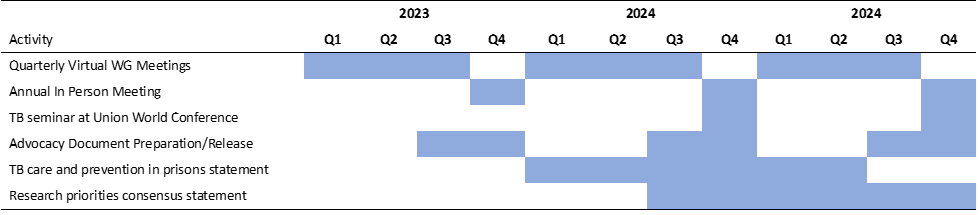
Objectives, by year:
2023: Hold a series of virtual meetings with rotating presenters on key themes in tuberculosis in prisons; hold in person meeting at Union World TB Conference
2024: Produce and distribute advocacy materials; continue regular virtual Working Group meetings; hold TB seminar and in person meeting at Union World TB conference;
2025: Finalize and distribute consensus statements on research priorities and TB care and prevention approaches in prisons; hold TB seminar and in person meeting at Union World TB conference
Activities:
We will invite working group members to participate in activities, including giving presentations virtually and at Union meetings, writing or providing feedback on advocacy documents, fact sheets and consensus statements, and participating in meetings with stakeholders. We will also seek to engage practitioners, clinicians, researchers and implementers who are not currently part of the Union to join the Union and play a role in the Working Group.
End deliverables:
- December, 2023 – Hold at least three virtual meetings and an in person meeting at Union World Conference to shape detailed agenda for the Working Group
- March, 2024 - Complete fact sheet and advocacy materials, distribute on World TB Day
- December, 2024 – Seminar and annual meeting at Union World Conference; Release advocacy strategy and updated materials
- December, 2025 – Release consensus paper on research priorities; consensus paper on TB care and prevention in prisons; Seminar and annual meeting at Union World Conference
Time frame & proposed date of completion:
For more info about this group, please visit: theunion.org/TB-in-Prisons
Gender is one of the most important social determinants of health and should be a critical component of strategies to end the highly gendered global tuberculosis (TB) epidemic. Gender-responsive approaches that address cultural, structural, social, and individual determinants are essential to accelerate progress toward global targets to reduce TB morbidity and mortality.
The Gender Equity in TB Working Group will establish an inclusive forum through which researchers, practitioners, policy makers, civil society, TB-affected communities and their coalitions, and other stakeholders at local, regional, and global levels can mobilise knowledge on the role of gender in TB burden, prevention, and care for awareness and action in TB prevention and care through evidence-informed policy and practice.
The Working Group focuses on responding to evidence showing men’s high burden of TB,1,2,3 their limited access to timely diagnosis and treatment,4 and their high risk of treatment failure and death. 5 Based on these facts, modelling studies have to show that most new infections among men, women, and children are likely attributable to contact with men.6,7 Recognising that the response to TB is about everyone and that the determinants and impact of TB differ across genders, activities will also focus on women and persons with non-binary gender identities.
The Working Group will actively seek opportunities to synergise activities with existing working groups and with external groups addressing issues that intersect with gender and TB. The Working Group will also evolve to respond to new evidence and changing circumstances such as changes in funding and priorities, which has further exacerbated existing barriers and challenges, while also creating new gender-related issues which will require further understanding and consideration in the context of gender and TB.
Objectives:
- Maintain an inclusive community of stakeholders including researchers, practitioners, policy makers, civil society, TB-affected communities and their coalitions (Year 1-3)
- Create networking meetings for Working Group members to share evidence on: gender in TB burden, prevention, and care guidelines and strategies for addressing gender disparities and improving gender equity in TB prevention and care (Years 1-3)
- Identify evidence and policy gaps, outline research priorities, develop data-driven reports, and provide recommendations for change towards a gender-transformative response to TB (Year 1-3)
End deliverables:
- Develop and/or contribute to reports related to gender and TB outcomes
- Collection of resources based on the network meetings and activities
- Series of recorded webinars to share information, practice, and experience
- Annual progress reports
Co-Chairs:
Joseph Daniels, Arizona State University
Andrew Medina-Marino, Stellenbosch University
Steering Committee:
Jeremiah Chikovore, University of KwaZulu Natal
Maurine Murenga, TB Women Global, Kenya
Kerry Millington, Liverpool School of Tropical Medicine
Camila Gianella Malca, Pontifical Catholic University of Peru
Amrita Daftary, York University
Ifeanyi Okekearu, SHOPS Plus Nigeria
Annie Kizilbash, Texas Department of State Health Services
Katherine Horton, London School of Hygiene and Tropical Medicine
1. World Health Organization. Global tuberculosis report 2021. Geneva, Switzerland: World Health Organization, 2021. 2. Horton KC, Macpherson P, Houben R, White R, Corbett E. Sex differences in tuberculosis burden and notifications in low and middle-income countries: a systematic review and meta-analysis. PLoS Med 2016; 13(9): e1002119 3. Ledesma JR, Ma J, Vongpradith A, et al. Global, regional, and national sex differences in the global burden of tuberculosis by HIV status, 1990–2019: results from the Global Burden of Disease Study 2019. Lancet Infect Dis 2021. 4. Horton KC, Sumner T, Houben RM, Corbett EL, White RG. A Bayesian approach to understanding sex differences in tuberculosis disease burden. Am J Epidemiol 2018; 187(11): 2431-8. 5. Chidambaram V, Tun NL, Majella MG, et al. Male sex is associated with worse microbiological and clinical outcomes following tuberculosis treatment: A retrospective cohort study, a systematic review of the literature, and meta-analysis. Clin Infect Dis 2021. 6. Dodd PJ, Looker C, Plumb I, et al. Age- and sex-specific social contact patterns and incidence of Mycobacterium tuberculosis infection. Am J Epidemiol 2016; 183(2): 156-66. 7. Horton KC, Hoey AL, Béraud G, Corbett EL, White RG. Systematic Review and Meta-Analysis of Sex Differences in Social Contact Patterns and Implications for Tuberculosis Transmission and Control. Emerg Infect Dis 2020; 26(5): 910
Working Group goal:
- To integrate effective tobacco control strategies into TB programs by fostering collaboration, building capacity, and promoting policy and practice changes that reduce the burden of smoking-related TB outcomes.
Objectives by Year
· By 2026: Revise and publish the updated edition of The Union’s Guide on Smoking Cessation and Smokefree Environments for people with TB ("Green Guide").
· By 2028: Facilitate the integration of smoking cessation interventions into national TB control programs in at least five countries.